
The living world is divided into two main kingdoms: the animal kingdom and the vegetable kingdom. In general, each of them is classified as families, genres and species. And like any living being, both animal and vegetable, each division includes its part of more or less specific diseases and parasites.
Plant pathology or phytopathology is the branch that studies plants diseases. As for cucumber, it can be attacked by diseases of different types as it can have different parasites.
Cucumber, whose scientific name is Cucumis Sativus; And its variety: Sottaceto, belongs to the Cucurbit family, just like Calabash, melon or pumpkin. In general, they suffer from the same diseases and attacked by the parasites themselves.
Before talking about the diseases and parasites of the cucumbers, we will first see how to be successful in their culture.
How to grow cucumber?
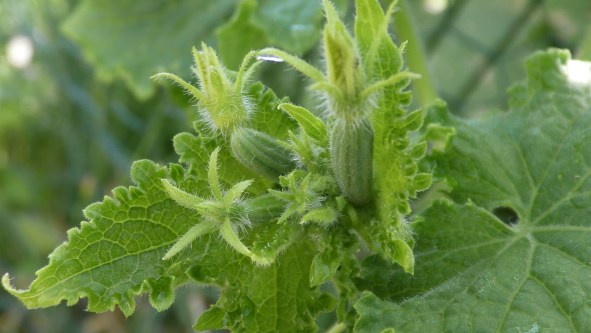
Cucumber is a Plan very sensitive to the cold and the minimum gelatin can destroy it. April-May is the ideal period for sowing because during this period, night frosts no longer have to be feared. Sowing must therefore be from March to April. This, for a well of three or four seeds.
Young plants are good to be transplanted in their final position when they reached a length of fifteen centimeters. Before transplantation, it is necessary to enrich the sowing holes with well mature compost. Plants need potassa and nitrogen to the beginning of the vegetation.
Since the cucumber likes temperate and hot climates, young plants will be deeply put, furniture and humus ground where they can benefit from a warm and sunny exposure.
For a better layout of the plantation, cucumber plants will be spaced by sixty centimeters spaced on the line and one meter between the lines.
For the sottacets, the plants will be spaced forty centimeters instead of sixty on the line. It is necessary to count ninety centimeters between the lines instead of one meter. In fact, pickles do not need to occupy a lot of space.
To get good collected, It is not formally recommended to plant cucumber in combination with potatoes or tomatoes. On the other hand, the proximity of cabbage, onion, lettuce, celery of radish and pea is beneficial.
Maintenance occupies an important place in the cultivation of cucumber. Regular huts are needed and deserted, as well as regular watering, but without excess in the summer. Cucumber plants can be cut but not necessarily.
The vast majority of the varieties of cucumbers produces long stems that can occupy a lot of space. They are said to be «runners». To get around this problem, it is possible to develop height plants. To do this, it is necessary to fix cucumber plants or underground on vertical supports. Once solved, the viticci will do the rest.
This method allows you to offer fruit better exposure to light and facilitates collection. It contains four months after sowing, the flower plant and produces fruit. The sottacets have the distinction of growing rapidly. They must therefore be collected regularly.
It is mentioned above that the Cucurbitaceae family has its more or less specific diseases and parasites.
CUSTS CONTAINS AND ENEMENTS
In general, they can be classified into two categories: parasites and diseases.
Couples and parasites combined
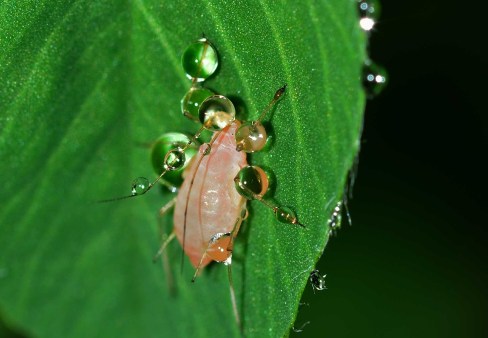
- Aha: There are two species of enemy cucumber mites:
- Red Spider: This type of proliferation mite in dry and warm time. The spider sucks the lymph of the plant, then the leaves are wilted and falling. The plant is wasting and ends up dying.
- Le Tetranyque: It sucks the lower part of the leaves. As a result, small white points appear on the leaves and the plant is weakened.
- Insects:
- Tripons: It is a small insect of a few millimeters of yellow or black in color. The infested plants have small white spots and amazed at the end.
- The moscow of the sowing of cucumber: The larvae of this fly undermine the young plants and cut the gems.
- Aphids: The leaves of a tense infested plant and dry. Aphids can also transmit certain viruses to cucumber plants. You can do without natural treatments or even use a deduction.
- Lugal and snails: These two molluscs inflict a lot of damage in gardens and vegetable gardens. They make all the plants. They have a particular preference for younger plants or the most tender parts.
Cucumber diseases
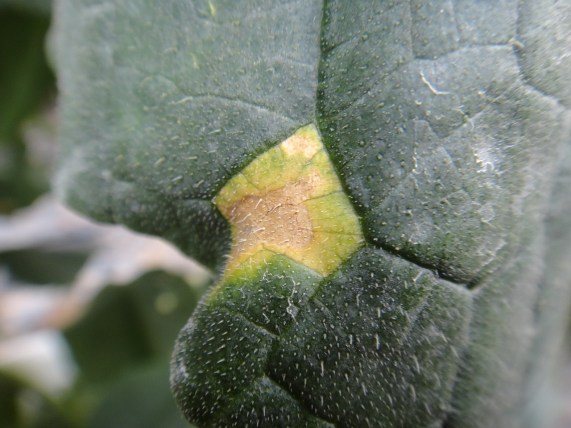
Cucurbit family diseases, and more in particular cucumbers, can be classified in five types:
– bacterial diseases
Usually bacterial infections are in the form of points on the leaves. Depending on the types of bacteria, we distinguish:
- Tasks of corner leaves that are caused by a bacterium called Pseudomonas amygdali.
- Necrosi bacterial singer: characteristic of a bacteria infection Erwinia
- Bacteria Oat Acidovorax causes the formation of bacterial spots on the fruits.
– Viral diseases
As their name suggests, these diseases are caused by viruses. Very often, they are the aphids that transmit them to crushed, courgettes and cucumbers.
For cucumber mosaic, the virus called Cucumber mosaic virus O CMV is the most typical virus. The infested leaves gradually discolor in «mosaic». There is therefore a deformation of the plant, followed by a stop on the growth and production of fruit.
– Fungal diseases
The vast majority of diseases that attack pumpkin and cucumbers are caused by mushrooms.
The term «fungal or cryptogamic disease» designates parasitic diseases caused by one or more microscopic mushrooms.
Among the cryptogamous diseases that we can mention:
- «Oïdium»: This disease is characterized by the formation of an unhappy white, first on the leaves, then extends gradually on the entire plant. This disease is common when the summers are wet.
- «Gray Nuile» or «Cladosporiosis»: It manifests itself from the appearance of small white spots on the leaves. Quickly, these points become brown and necrosis. On the fruits, they are brown and fat.
- The «red Nuile»: Also known as «anthrachnosis»: shows small and brown on the fruit. On the leaves, they are brown spots that form. These therefore cause the necrosis of the leaves.
- The «source des semi»: This disease causes the rotting of the young sowing. Often he declares himself in airy, humid and cold places.
– Fitoplasmi diseases
Phytoplasms and spioplasms are generally transmitted by succulent insects SAP. These microorganisms are injected into the floema of the plant where they reproduce.
– Nematod diseases
More than 5,000 species of nematodes live in the ground. Most of them have pathogens. Some species, such as the Melidogyne SPP or nematodes with roar winners, cause the formation of the scabies to the roots.
latest posts published

Alina island: in agriculture you have to be realistic

On the day of the open doors Saaten Union, in Drajna
The art of direct sowing – Mewi
Finally something simple: Fendone
Horsch in Agritechnica 2019: products created out of respect for nature
Fendt 500 Vario Series – tractors for four seasons
Peak technology for work in viticulture
Valtra celebrates putting intelligent solutions at the center of its development
Rauch Aero GT 60.1 – A single fertilizer distributor: economics, precision, efficiency