
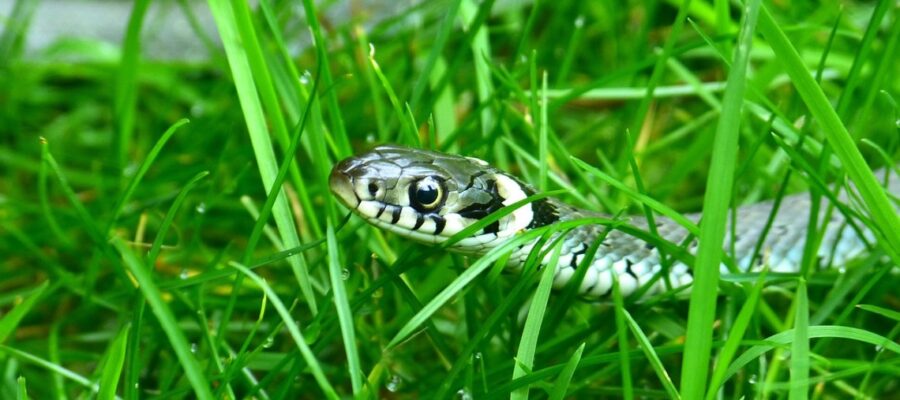
Since the dawn of time, all snakes, without gender or species distinction, have been considered evil animals. In fact, as soon as the word snake is evoked, almost all people think of a bifurcist language, vertical pupils and above all, dangerous zanne with deadly poison.
The snake is no exception to the rule. Often confused with viper, she is condemned to be killed or fled as soon as she shows the tip of her tail.
You may be afraid of it, the fact remains that The snake in your garden could be a shock ally.
How to distinguish between snake and viper?
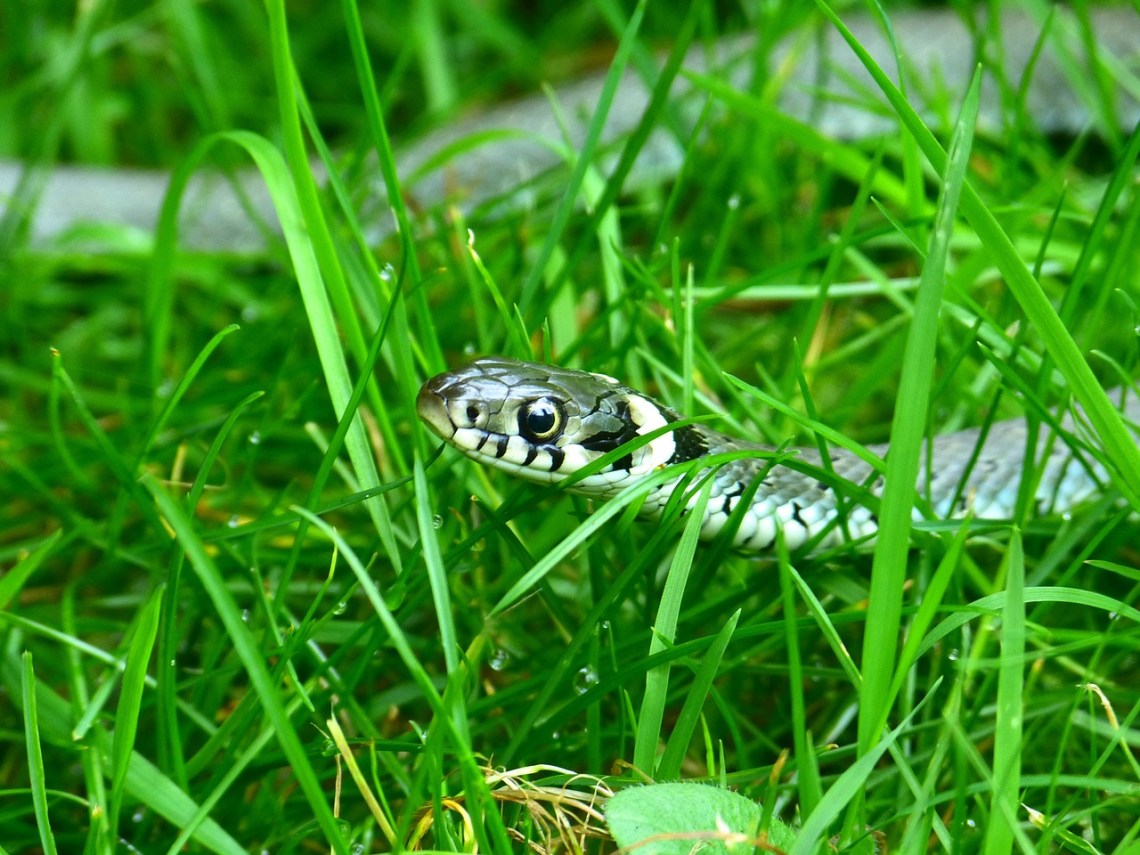
The snake is a generic name used to designate all members without members who move for correspondence of the body.
Without being a specialist on the subject, with the following characters, it is relatively easy to distinguish a snake from a viper.
- Eyes or pupils to be more precise is the best way to distinguish between the two species. The pupils of a snake are round while those of the viper are lengthened vertically.
- The shape of the body and head: the Viper is trapped with a tail that suddenly narrows. Know that for a snake, «the more tapered the tail, the less the snake is dangerous». The head of a viper is well separated from the rest of the body and has a very characteristic triangular shape.
- Places of predilection: the Viper like dry and sunny places while the snake prefers places where there is water. It is on the edge of ponds, ponds and other basins that small animals that make up their prey abound. In addition, the snake is a good swimmer.
For easier maintenance of your garden
It is in particular thanks to its diet that the snake may have had good advertising in the eyes of some gardeners. In fact, this animal Consumes exclusively amphibians, lizards, insects and some rodents, even snails.
Which can be good news for your garden. It will be easier to adjust the population of harmful animals in your outdoor space or even prevent certain invasions. By attacking rodents and other amphibians and insects, snakes, the snake in particular, play a predominant role in the regulation of the population of these animals. This regulation is necessary because it guarantees balance in your garden. Due to his diet, the place of this snake in the food chain is also important.
In addition, snakes do not endanger the safety of plants. They are able to swallow their prey in a single treaty, even large ones as well as demanding very few spaces to circulate on the ground.
And unlike the hens, the snakes will not be tempted by the leaves and flowers of your garden.
Snakes to protect your fruit trees
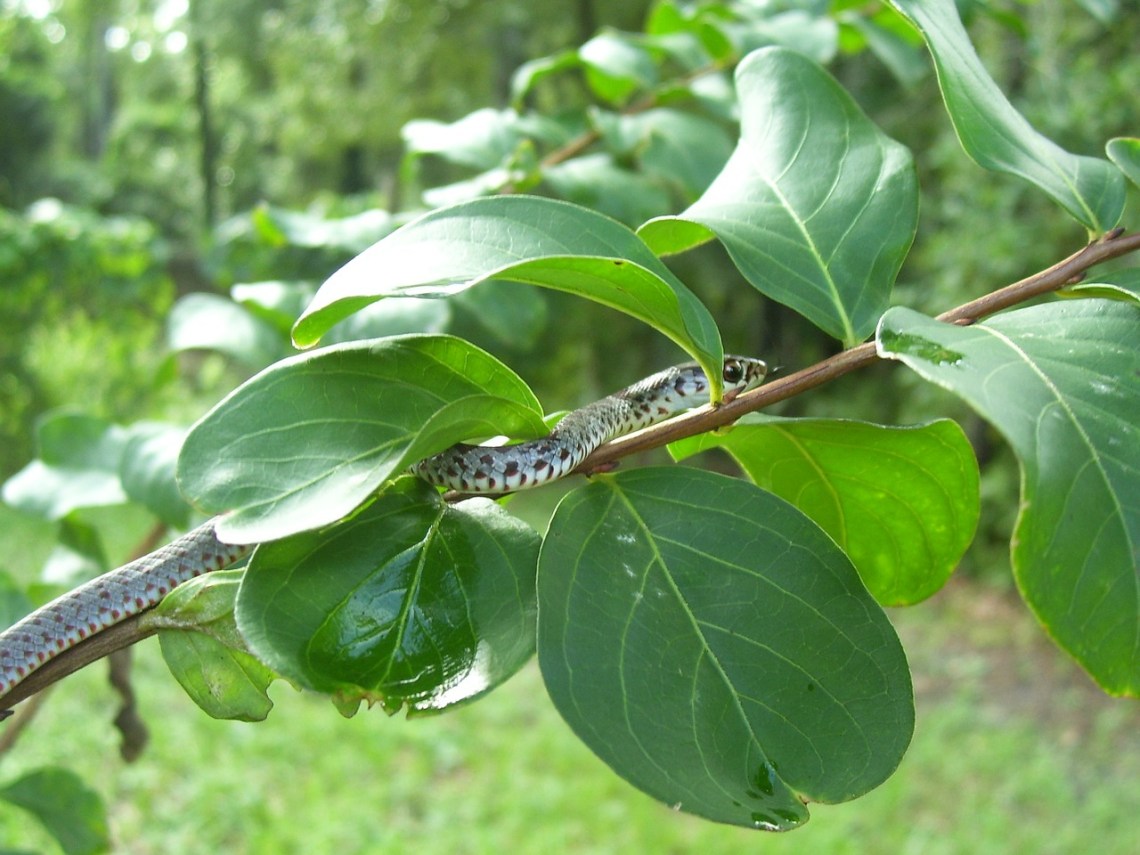
You who have a vegetable garden and/or fruit trees in your garden, the snake is not an ally not to be left on behalf. In fact, this snake can also feed on birds. That not only tends to dissuade them from the spout, but also to protect your fruit. Those who dare to approach can be swallowed by the snake, above all because this snake is able to climb on the walls and trees.
We still want to emphasize that snakes mate during spring. A female can lay up to thirty eggs simultaneously. Two months later, in mid -summer, the hatching takes place, giving long snakes of about fifteen centimeters.
In the youth state, the collar snake leads a semi-aquatic life. It is therefore normal to cross these reptiles in the summer. They invest the surroundings of swimming pools, wooden heaps, barbells and even the inside of the residential houses.
Since it is still a protected species, Do not kill them. However, you can give them to a pet shop or other gardeners.
Adopting a snake at home: choose the right species is
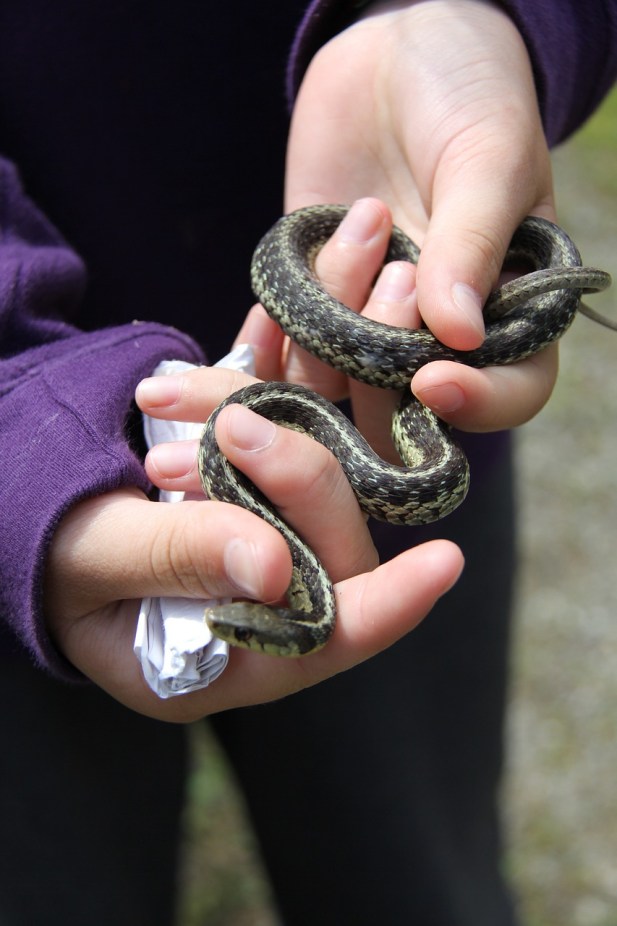
In France, different species of snake can be encountered. To minimize the risks for your family with precision, non -powerful species must be favored. This is the case, for example, of the collar, Esculapius, green and yellow or even Montpellier and many others.
Not only is the latter harmless, but they also fled by men. So you have nothing to fear. We can even say that their presence in our environment is an indicator of good health of the biotope.
It is still necessary to emphasize that snakes can reach 1.20 m long once you reach adulthood. For information, the largest Montpellier serpent can reach 2m50. This dimension is one of the distinctions that can be used to determine whether this or that type of snake is a snake or a viper.
How to attract a snake in your garden?
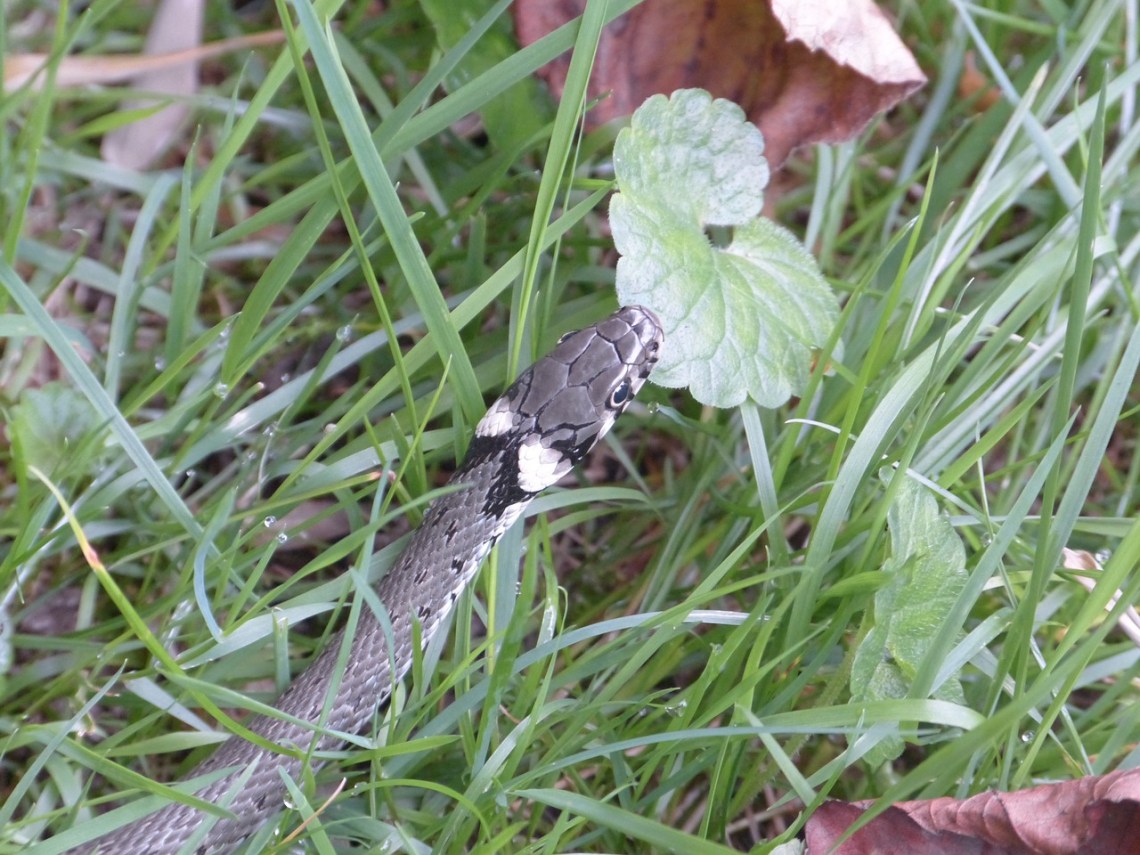
In general, the snake is a frightening animal but it is possible to attract it in its garden by preparing well -appropriate areas of habitats.
Some species of snakes are aquatic. These are the viper snakes and the snakes of tessellae. They need a water point like lakes, ponds, … live.
There are also those who lead a semi-natural life. This is the case of the snake of the collar who prefers the edges of the rivers but also lives in the brush, in rocky soils and in the woods.
The preparation of the areas of habitat that meet the needs of the snakes consists in creating a small pond as a water point, a brush scattered throughout the garden, without forgetting to build small low walls or batteries of batteries everywhere.
The walls and stones will also be used for snakes as a lethargy site, also known as hibernaculum, upon the arrival of cold time.
Nowadays, these active snakes during the day become the main victims of the machines, such as: Tosaerba, the rudder, the brush, which man now had the habit of using to work his garden.
In addition to this, the'The use of pesticides and other chemicals for the treatment of plants and soil, without forgetting the use of poisons to combat harmful animals not only worsens the worst situation. As a result, snakes, including snakes, are increasingly threatened than disappearance.
According to their diets and actions in the garden, these reptiles show that they prune the allies in terms of agriculture. In light of everything that has been said, we can say without hesitation, even if it is difficult to accept, that the snake is our friend but is disappearing from our natural circles.
In France, the species has enjoys total protection since 1976. Internationally, it should be remembered that the 1979 Bern Convention classified them among the protected species. It should also be noted that they appear in the Red list of the IUCN.
According to a specialist in erpentology, France decided, as part of the protection of the species, to hit a blow. Snake loose operations were performed at high altitude in the Pyrenees.
latest posts published

Alina island: in agriculture you have to be realistic

On the day of the open doors Saaten Union, in Drajna
The art of direct sowing – Mewi
Finally something simple: Fendone
Horsch in Agritechnica 2019: products created out of respect for nature
Fendt 500 Vario Series – tractors for four seasons
Peak technology for work in viticulture
Valtra celebrates putting intelligent solutions at the center of its development
Rauch Aero GT 60.1 – A single fertilizer distributor: economics, precision, efficiency