Mold is a cryptogamic disease that affects tomatoesAs well as many other vegetables, such as: screw, potatoes, cucurbit, crucifixes, etc. It is very devastating due to its rapid proliferation that can destroy an entire plantation in no time.
It is also very difficult to treat. To help you, here's how to effectively treat mold. In this article, we will remain in the treatment of tomato mold, but the methods of prejudices and struggle are practically the same for all vegetables that can be achieved by this disease.
The conditions of appearance and symptoms of tomato mold
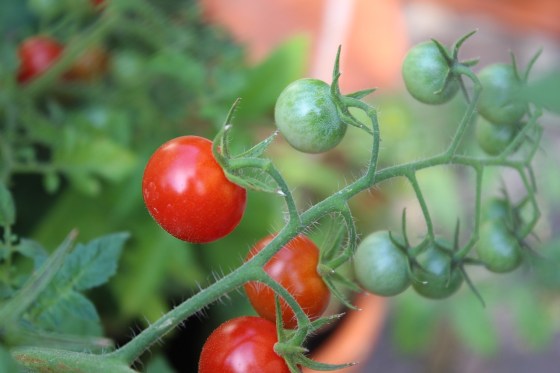
It is first of all good to know that the tomato mold It is caused by a chromist known as the scientific name «PhyTophthora Infestans». The conditions favorable to its development are warm and humidity.
At the beginning of the attack, we observe brown tasks on the tomatoes. Then, they grow and the leaves dry little by little until the entire plant is contaminated. It can no longer feed and gradually weaken and dies. Obviously, the fruits also become non -consumable.
These symptoms often appear in a few days of contamination. It should be noted that once the mold has touched a tomato foot, it can also infect other feet in just several days if it is not treated. Which will destroy the harvest.
How to prevent mold from tomato?

It is really difficult to treat mold once it started.
It is therefore better to multiply prevention:
- Grow tomatoes under shelter
As has been said above, it is the heat and humidity that promote the appearance of mold. So you prefer the culture of a subsoil to avoid damage. The leaves of the plants will be protected by the heat by the sun, as well as the rain.
You will surely water your tomatoes, so that the leaves dry quickly, because the wet leaves are in favor of mold, Sweep your plants about 40 cm approximately so that they are well ventilated. This ventilation is also essential for tomatoes that do not touch. This will limit the propagation of mold in case of only tomato foot.
And since we speak of watering tomatoes, avoid as much as possible to wet the foliage when sprinkling plants. More specifically, you just have to water your foot. It is also preferable to carry out this task in the morning, since the earth will not be bathed at night. Which is also a mold appearance factor.
The ground is an excellent vector of Mildiou. Therefore, you do well that your plants, in particular the leaves, do not touch the ground. By letting them touch the soil, you will promote the appearance of this harmful disease.
- Do not put potatoes and tomatoes side by side
We are talking about the means to combat mold during the culture of these two species. The mold factor is the same for both and contaminated potatoes can very well infect the tomatoes and vice versa. Some farmers say that the other varieties of mold, including those that attack cabbage or cucurbit, are not contagious for tomatoes, but no study has yet confirmed these observations. Therefore, it is better to avoid growing these vegetables even next to tomatoes to not have unpleasant surprises during the development of plants.
Treatment of tomato mold

If your tomatoes have mold, you will have no choice but to remove the infected parts as quickly as possible to stop their development, so as not to keep track of the chromist factor of the disease.
Because of this, Cut their parts of the plants that have the symptoms mentioned above with a clean pruning. The best is to sterilize the latter after each cut to avoid contaminating the other plants that are still healthy. Once the cup is finished, burn waste. To launch them is not very recommended, especially in the compost, because Mildiau's spores certainly spread throughout the vegetable garden. If you want to do it, throw the infected plants in the garbage.
When you have finished eliminating all the tracks of mold on tomatoes, Treats healthy plants with Porridge BordeauxThen redo the operation regularly until almost 15 days before the harvest. You can also spray all the foliage of your plants with a decoction of equals or garlic, or with a solution consisting of a spoonful of soda bicarbonate and a spoonful of black soap per liter of water. It is necessary to perform this once every 10 days.
Bordeaux porridge is certainly the most effective treatment for the eradication of mold. The three natural preparations that we have just mentioned (decoction of equity or garlic and preparation based on sodium bicarbonate) cannot only block the development of mold and therefore are only ideal at the beginning of contamination. However, The copper that this porridge contains kills most of the microorganisms in contact with the ground.
Should we stop growing tomatoes in a place already contaminated by mold?

The answer is yes, at least for a few years (four or five years). The spores of the mold, in fact, the winter in the debris of the plants already contaminated, underground and are completely harmless only after years after the abolition of infected plants.
More varieties of tomatoes and little slight resistant?

The hybrid and ancient varieties are more resistant to the attacks of Mildiau than the others but are not completely immune. These are for example the cherry tomatoes, the Holy Stone, the Iron Lady or Pyros (F1), La Rose de Bern, etc.
Even going for the cultivation of early varieties can be a good idea. Therefore, you can hope to collect the fruits produced at the beginning of the season, before the declaration of the disease.
Can it cut tomatoes or not protect them from mold?

This question often arises. In response, some claim to have noticed that their tomatoes are resisting Mildiou better, as well as other diseases when they don't cut them. Others say they meticulously cut the leaves and also works. What should we think of these two completely opposite observations? The first observation can be true in the sense that without injury, there will be less risk of contamination coming from the outside.
For the second observation, the cutting of the leaves that affects the soil reduces the possibility of contaminating the mold to the tomatoes. They will not be immune to it because their feet will remain attached to the ground.
So we can say that the dimensions are necessary but only the leaves that affect the ground. This should not be too much a great risk for the appearance of mold because in this case the operation will not cause multiple injuries to the plant that can develop better.
latest posts published

Alina island: in agriculture you have to be realistic

On the day of the open doors Saaten Union, in Drajna
The art of direct sowing – Mewi
Finally something simple: Fendone
Horsch in Agritechnica 2019: products created out of respect for nature
Fendt 500 Vario Series – tractors for four seasons
Peak technology for work in viticulture
Valtra celebrates putting intelligent solutions at the center of its development
Rauch Aero GT 60.1 – A single fertilizer distributor: economics, precision, efficiency