
With the summer that brings the sun with it, we allow ourselves a pleasure in gardening and in particular the plantation of flowers that embellish our gardens. We particularly love the clouds of colors and diversification. A plantation that gives a breathtaking result on the rest of the garden when all plants begin to bloom.
And so much to plant flowers with very specific virtues such as absinthe. A perennial plant with a well -loyal rhythm with yellow flowers. Even the fruit plant, here's how to grow it and keep it to get good floraisons.
Description

If the plant is known by name, people don't know how this plant really is. If the name »Absinthe» is very common, the plant is also called Holy grass, Alvine, Alvine, grass in workers or bitter workers. We recognize it with its height that can reach up to 1 m.
It is completely covered with white silver hair and very silky to the touch. The stem is green and contains quite substantial branches. The leaves can measure up to 25 cm and very small, the colors were unusual with the green above green and the white gray below. The flowers of this plant are completely yellow without nuances and for those who do not know it They produce fruits that are akens.
Culture of Assenzio

Absinthe is an easy plant because there are not really many constraints. Take into account the following considerations for convincing results on this plantation:
Sol: Drennato, exposed to the sun but not too torrid. It is necessary that the ground is also a little humid for the hydration of the plant. The latter must also be rather fertile and semi -heavy. In everything you need light and rich soil.
Type the sun: Limestone and full of nitrogen preferably.
Exposure: The plant requires heat exposure, but you can also put it in half Shade.
Flowering: This plant blooms between July and September. It can also reproduce for brightness of the feet in spring or autumn. The harvest generally takes place between May and October. For a more precise calendar, the plantations must take place in March in May, in September and October. As for the harvest, it is in July and August.
Trick : In order for the duration of the plant to be elongated and significant, it is preferable to plant short size in spring. This method allows the tuft to regenerate easily.
Plantation of the assets
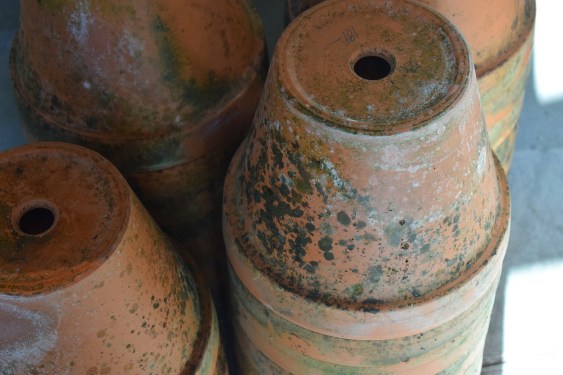
To beautify the gardens, some people acquire this plant from a florist or even from a seller specialized in the plantation. In this case, it will necessarily take it in a pot. With a great need for space, once you arrive at your home, The plant must be immediately left.
You prefer a larger and airy pot or at best, you immediately put it on the ground. It is more judicious to put it directly in the ground. This guarantees good development in the best conditions. Being a plant that begins to push, you have to take care to water it regularly during the first year especially in case of high heat.
This allows young filming to be constantly hydrated. It must be hydrated in abundance only at the beginning and reduce the frequency later.
How to sow absinthe?

It can be sown in spring and throughout the summer because these periods are good moments to have beautiful plants. To start, The seeds must be built 2 cm of soil. Make sure to respect a 20 cm space between each seed for good ventilation.
For two weeks, regularly drip the seeds, taking care to drop the thin rains and not a flood. After a few weeks, the seeds will begin to develop some leaves. Just see 4 to 5 sheets to double the spaces between the seeds for a good development.
Two months after sowing, you will see that plants will already mature if they are well cared for. After the plants have reached adulthood, it becomes easy to multiply. You just have to divide the old feet and replant them immediately. Repeat the cure as if I had planted a new seed and so on.
A plant with more virtue
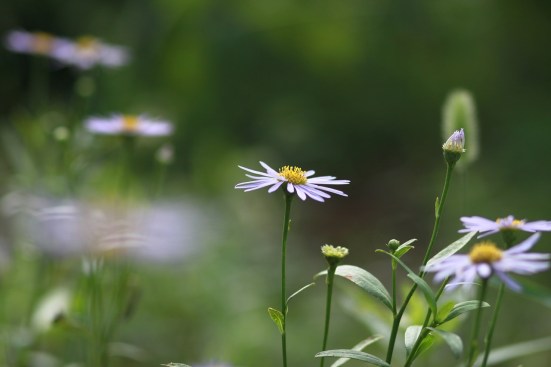
For 3000 years, The absinthe is recognized for its multiple virtues. More appreciated in the edible version, it does not mean that gardeners will hate the cultivation of this plant in their garden. Appointed Also Green FairyHe turns the heads of many romantics.
In medicine, he heals many evils and becomes the plant par excellence of those who suffer from some diseases. Although beneficial for our bodies and our health, this plant also finds its place in the garden. Because planted, It is an excellent anti-insect.
And generally refuses mosquitoes, snails and aphids. Be careful, however, with other plants because if it helps you fight against some creatures, it is not the same with other plants.
In fact, the absinthe has a good ability to inhibit the growth of other plants that can seriously influence other crops. It is therefore better to never plant it less than a meter from another plant.
Interview
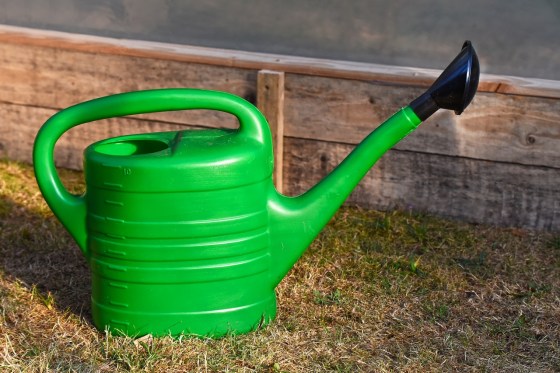
As mentioned, the absinthe requires little care given its great ability to resist bad weather. However, here are some suggestions that will bring well to the plant. It is necessary Bring the compost decomposed in spring. It is also recommended to grab the plant well during the beautiful seasons.
Although robust, the absinthe remains fragile in front of the winter cold. It is for this reason that it must be protected with dead leaves. The need for water from Assenzio does not feel mainly that during the first plantation and when the first grows the nose points. For the rest, it is not necessary to water regularly, except in case of hot because it might lack water.
Although the absinthe makes aphids flee, black aphids remain solid warriors. It is therefore without surprise that we find these small animals attack this withdrawn plant. If this happens, cut the branches immediately attached so that animals do not proliferate throughout the plant and attack the plants nearby.
Perhaps, you can also use products to fight these animals, but it is not recommended because chemical containers can deteriorate the health of the plant in general. The plant is not really afraid of diseases, so it does not risk seeing it fading or changing air suddenly unless you start to age.
However, too much maintenance can kill him As in the case of water and excess fertilizer. Take into account the conditions in which it lives. Like all plants, it must be put in a good place where it will not be disturbed. Because if you have pets, the risks must be feared with the cat that makes its needs everywhere (even the neighbor's cat is part of it) and the dogs that led to light where they want.
latest posts published

Alina island: in agriculture you have to be realistic

On the day of the open doors Saaten Union, in Drajna
The art of direct sowing – Mewi
Finally something simple: Fendone
Horsch in Agritechnica 2019: products created out of respect for nature
Fendt 500 Vario Series – tractors for four seasons
Peak technology for work in viticulture
Valtra celebrates putting intelligent solutions at the center of its development
Rauch Aero GT 60.1 – A single fertilizer distributor: economics, precision, efficiency