Today a multitude of amendments are available to improve the quality of the earth. They can be organic or minerals.
As their name suggests, The organic amendments allow to enrich the Earth by providing organic matter. Their use also improves heavy and clayey soils, as well as light and sandy soils.
Unlike fertilizers, manure, before serving as food for plants, acts first to the ground. Therefore, future plantations will be able to take advantage of the decomposition of organic materials and humus throughout their growth.
Horse manure is among the best known and the most used between this multitude of organic amendments. All gardeners, amateur or professional, recognize that this type of manure is good for roses. It has vegetable virtues and, above all, it is very easy to find and use.
Not being able to live near an equestrian center where it is sufficient to ask for this type of manure, know that horse manure bags are also sold in the Garden Center.
Properties of horse manure
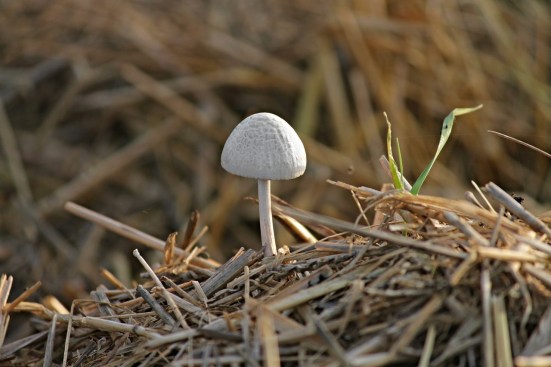
The horse manure designates a mixture composed of straw that served as a litter and excrement of urine and excrements of the animal. Horse manure is rich in humus and mineral nutrients.
The composition of the horse manure can vary according to agricultural methods. In general, it consists of a third of the excrement and two thirds of straw. The studies conducted have made it possible to know its chemical composition.
A ton of raw manure contains 8.2 kg of nitrogen, 3.2 kg of phosphorus, 9 kg of potassa and 2 kg of magnesium. Horse manure is also rich in nitrogen.
Thanks to this wealth, it is particularly suitable for clay soils. Guarantees the fertilization of the land and promotes the development of plants. It is an excellent contribution on fruit trees. It is particularly useful for the production of potatoes.
Compared to other manure, horse manure has a specific feature: in hot nature, the temperature of the soil in which it spreads increases.
How to use horses for horses for the vegetable garden?

Some precautions must be taken before using this manure.
In order not to burn cultures, It should be let it mature. If it is used too fresh, horse manure can burn the roots of plants because fermentation causes a large increase in the temperature in depth of the soil.
To obtain the results expected in his vegetable garden, it is necessary to improve it in the compost. The composting process requires a rest time that varies between three months and one year. To do this, several horse manure letters must be accumulated in the open air.
To enrich compost in biomass, domestic residues can be incorporated, such as: peeling, remains of vegetable food. If it is dry, you have to water. This promotes decomposition.
For the duration of the composting, it is necessary to return the batteries several times. This allows you to eliminate possible germs and mushrooms as much as possible.
It is only after maturing that horse manure can be used. After spreading, to integrate it well, just scratch slightly in the first five or ten centimeters from the ground.
For some plants that need many more nutritious, this manure can be used in the mulch.
As part of a greenhouse culture, Promotes the growth of out of season plants.
It is very useful for pepper and aubergine tomatoes, as well as for zucchini, pumpkins, melons, pumpkin and all the plants of the Cucurbit family.
Half mature, The manure of horses improves the structure of the soil. It can be spread directly in the spaces released by their cultures. The process of its transformation into humus will be provided by verses and other microorganisms.
The horse manure sold in the Garden Center can be spread directly in the vegetable garden because it has already been composed.
What elements do the vegetable plant need?
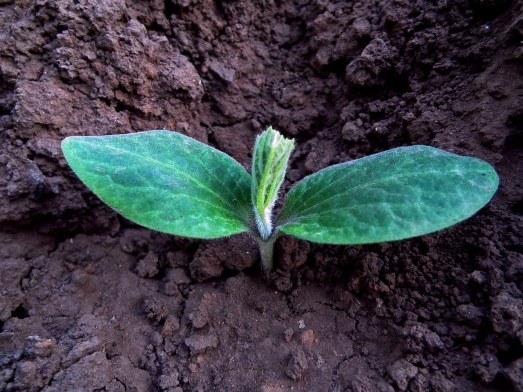
Generally, in agriculture, the three main inseparable elements are:
- Nitrogen whose chemical symbol is the N. participates in the production of proteins;
- Phosphoric acid represented by letter P. This element contributes to the production of cells;
- The potassa is symbolized by letter K. Its role is to strengthen the plant and make it more resistant to diseases, parasites, frost. With nitrogen, the potassa participates in the production of proteins.
Other fertilizing elements, such as: Mineral salts are essential for the growth of plants:
- The minerals, also called macroelements, consist of:
- Football: its role is to connect the cells between them;
- Magnesium that contributes to the formation of carbohydrates,
- Iron: it is used to activate enzymes,
- Sodium: plays an important role during the growth of the plant,
- Sulfur: it is necessary in the synthesis of protein.
- Microelements or trace elements: according to their name, the needs of the plants in trace elements are in small quantities. However, their presence is essential.
The main trace elements necessary for the development of plants are: aluminum, copper, boron and iodine, without forgetting zinc and cobalt.
To be able to grow normally, plants draw these elements, macroelements and trace elements, on earth. In order not to impover the ground, these elements taken must be compensated.
Advantages and disadvantages of the 2 types of fertilizer
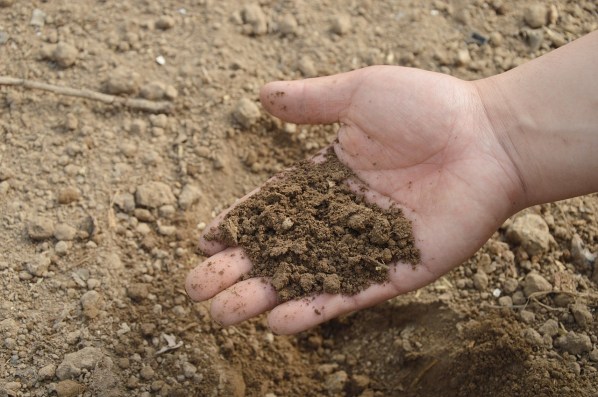
It is necessary to compensate the samples that the plants operate so as not to impover the ground.
This compensation can be carried out using two types of fertilizers:
- Chemical fertilizers also called synthetic mineral fertilizers. This type of fertilizer has the great advantage of nourishing plants directly.
Their composition is determined in advance. This allows a safer job because it is well targeted. They are adapted to the different needs of cultures.
As for the disadvantages of the use of chemical fertilizers, they are rapidly raised by strong rains and frequent watering. They then reach the depths and pollute underground waters.
- Organic fertilizers have the particularity of decomposition slowly. The mineral elements assimilated by plants are therefore released while proceeding. Which constitutes a sort of nutritious drop.
Vegetable fertilizers contribute to the enrichment of the soil. The degradation of a mixture of carbon materials of vegetable and animal origin produces humus.
Among the organic amendments used, manure is the best. Its use improves soil consistency, while providing a reserve of nutrients for plants.
In front of other letters: cow, sheep or manure of poultry, Horse manure is undoubtedly the best. It is rich in fertilizers and dry materials.
Since horses are not ruminants, the manure they produce is «hot». Horse manure is a source of ecological and economic heat. It is specifically used to provide the substantial heat necessary for winter sowing and the first crops and also to lighten the heavy and clayey earth.